
Headache & Facial Pain Treatment
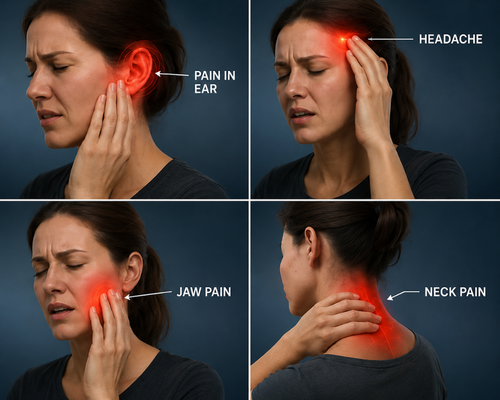
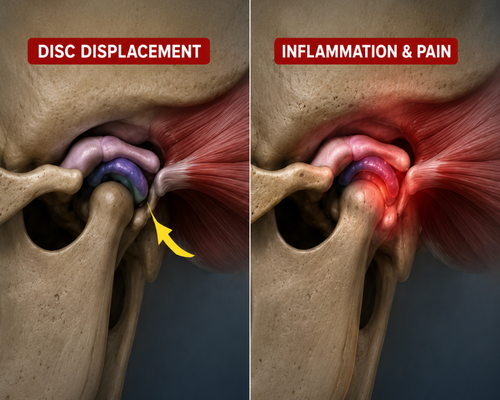
SYMPTOMS OF TMJ DISORDER
TMD Symptoms
The most common TMD symptom is pain in the jaw joint, which may also involve the ear, neck, eye, face and forehead. Since there are two joints, the pain might affect one or both sides of the face and may be temporary or persistent. However, some people may not notice any symptoms. The most common symptoms of TMD include:
Pain in the joint
Ear Pain
Restricted Mouth Opening
Persistent headaches, migraines
Clicking Sound
Pain Radiating toward neck and shoulders
Difficulting in chewing food
Advanced TMJ Care. Without Major Surgery.
Precision Treatment for TMJ Pain, Clicking & Restricted Jaw Movement
When jaw pain begins to radiate towards the ear, head and neck, everyday activities such as eating, speaking and opening your mouth can become increasingly uncomfortable.
At our clinic, selected TMJ conditions can be treated with an advanced, minimally invasive approach using the precise injection of Sodium Hyaluronate—a joint-lubricating agent—combined with an anti-inflammatory medication such as Triamcinolone, delivered directly into the temporomandibular joint space.
The Procedure
The procedure takes approximately 15–20 minutes and is designed to:
- Target inflammation within the joint
- Improve joint lubrication
- Support smoother jaw movement
What Patients May Experience
- Significant relief from TMJ pain
- Reduction or cessation of painful clicking
- Improved mouth opening
- Easier chewing and improved jaw function
- Relief from pain radiating towards the ear, head and neck
- Elimination of the need for regular pain medication in suitable cases
Summary
Persistent TMJ pain, clicking sounds, restricted mouth opening, difficulty chewing, and pain radiating from the ear to the head and neck can significantly affect your daily life.
The latest non-surgical approach for selected TMJ conditions involves injecting Sodium Hyaluronate, a joint-lubricating agent, along with an anti-inflammatory medication such as Triamcinolone, directly into the temporomandibular joint space.
The procedure typically takes only 15–20 minutes and is designed to reduce inflammation, improve joint lubrication, and restore smoother jaw movement. Many appropriately selected patients experience significant relief from pain, reduction or cessation of painful clicking, improved mouth opening, and better ability to chew food. By addressing the source of joint inflammation, this treatment aims to restore comfort and improve overall jaw function.
TMJ Splint in Chandigarh
If you’re experiencing jaw pain, headaches, or discomfort while chewing, you may be suffering from Temporomandibular Joint (TMJ) dysfunction. A TMJ splint, also known as a temporomandibular joint dysfunction splint, is a non-invasive treatment option designed to relieve these symptoms and restore proper jaw function. Let’s explore the benefits, types, and results of using TMJ splints, along with a closer look at how they can make a real difference before and after treatment.
What is a TMJ Splint?
A TMJ splint is a custom-made dental device designed to help patients suffering from TMJ disorder (TMD). This condition affects the temporomandibular joint, which connects your jawbone to your skull. Misalignment, stress, or injury to this joint can lead to chronic discomfort. A TMJ orthotic or splint helps in repositioning the jaw, relieving muscle tension, and allowing the joint to heal.
Benefits of a TMJ Splint: Before and After
Many patients experience significant improvements after wearing a TMJ splint. Before treatment, patients typically report chronic jaw pain, limited jaw movement, clicking sounds when opening the mouth, and frequent headaches. After treatment, these symptoms can reduce or even disappear as the jaw alignment improves. The splint helps to realign the bite, reduce inflammation, and promote healing in the affected joint.
Types of Dental Splints for TMJ Treatment
There are several types of dental splints used to treat TMJ disorder, each with a specific purpose. Understanding the difference between these options is crucial in selecting the right treatment:
Permissive Splints: These are designed to allow free movement of the jaw. They do not guide the jaw into a specific position but rather help the muscles to relax and reduce stress on the TMJ. Permissive splints are often used for patients with muscle tension and bruxism (teeth grinding).
Occlusal Splints: Occlusal splints are more rigid and are designed to correct bite issues. By redistributing the forces on the teeth and jaw, these splints help prevent further damage to the TMJ and provide relief from pain.
TMJ Orthotic: A TMJ orthotic is a more advanced, custom-fitted appliance that is designed to reposition the jaw into an optimal position. This type of splint is ideal for patients with more severe TMJ dysfunction or misalignment and is worn for longer periods to correct chronic issues.
How Does a TMJ Splint Work?
The splint is typically worn over the teeth, acting as a cushion between the upper and lower jaws. By creating a barrier, the splint prevents the teeth from grinding or clenching, two habits that can exacerbate TMJ issues. The design of the splint also helps reposition the jaw into a more natural alignment, which reduces strain on the temporomandibular joint.
Why Choose Us?
When selecting a dental splint for TMJ dysfunction, it is essential to consult with a dentist or TMJ specialist. Each type of splint—whether it be a permissive splint, an occlusal splint, or a TMJ orthotic—has unique benefits depending on the severity of your condition. A proper diagnosis will ensure you receive the right treatment to alleviate pain and promote long-term healing.
With proper treatment using a TMJ splint, patients can experience a significant reduction in discomfort, an increase in jaw mobility, and improved quality of life.